fertilizer
Sustainable Farming Practices for Small and Medium Farms: A Practical Guide for Long-Term Success

Mustashar Team
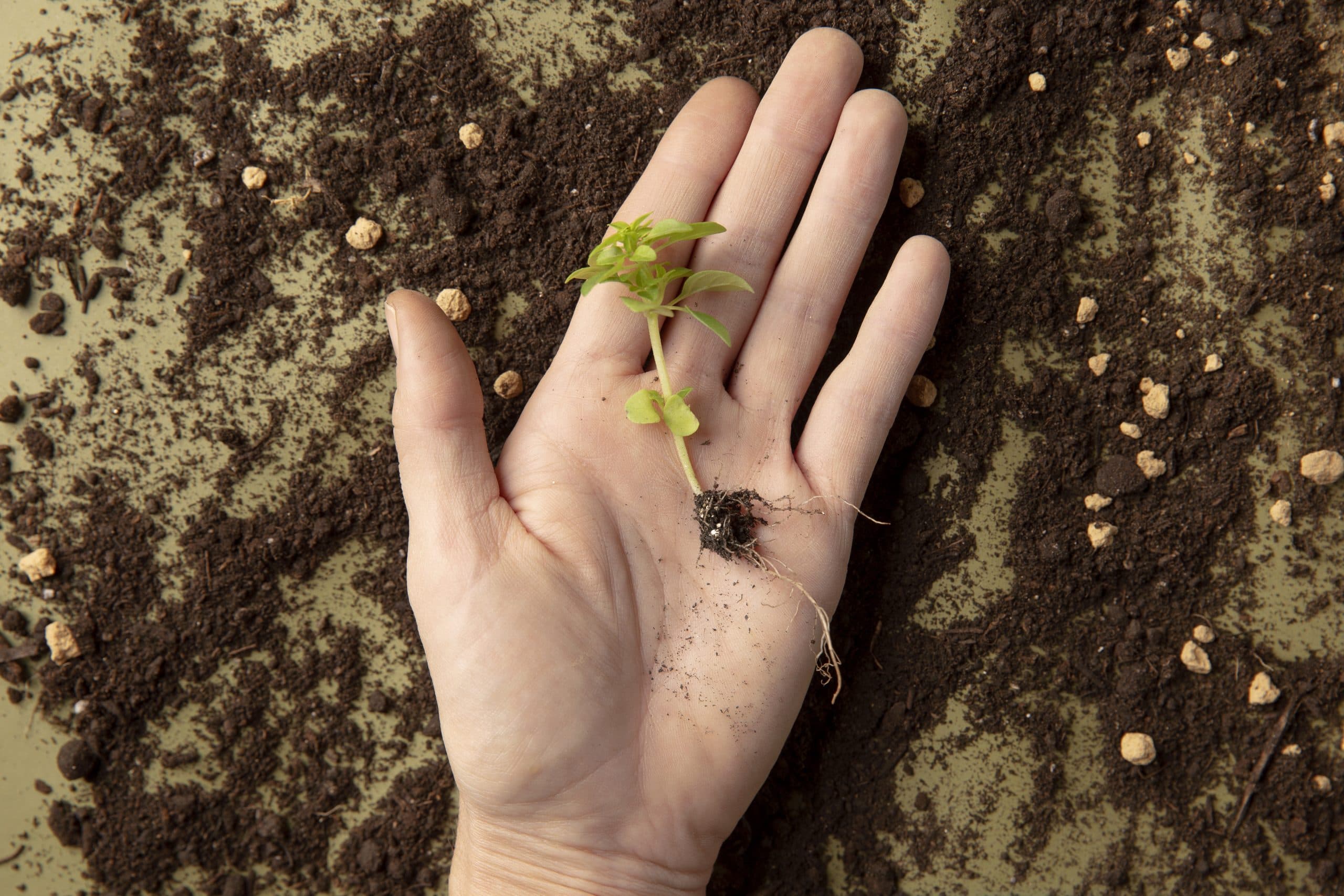
This in-depth guide explores proven sustainable farming techniques that small and medium-scale farmers can realistically implement. Whether you manage a family farm or a growing agricultural operation, these practices can help you reduce costs, improve yields, and build a future-ready farm.
What Is Sustainable Farming?
Sustainable farming is an agricultural approach that focuses on producing food while maintaining environmental health, economic profitability, and social responsibility. Unlike conventional farming systems that rely heavily on chemical inputs, sustainable agriculture emphasizes natural processes, biodiversity, and efficient resource management.
For small and medium farms, sustainability means working with nature rather than against it, using practices that enhance soil fertility, conserve water, reduce pollution, and support rural communities.
Why Sustainable Farming Matters for Small and Medium Farms
Small and medium farms face unique challenges, including limited capital, fluctuating markets, and labor shortages. Sustainable farming practices help address these issues by:
- Reducing dependence on expensive synthetic fertilizers and pesticides
- Improving soil structure and long-term productivity
- Increasing resilience to droughts, floods, and extreme weather
- Enhancing farm profitability through efficiency and diversification
- Meeting growing consumer demand for eco-friendly food
By adopting sustainable practices, farms can remain competitive while preserving the land they depend on.
1. Soil Health Management: The Foundation of Sustainable Farming
Healthy soil is the backbone of every successful farm. Sustainable soil management focuses on building organic matter, improving microbial activity, and preventing erosion.
Cover Cropping
Cover crops such as clover, rye, and vetch protect soil during off-seasons, suppress weeds, and add nutrients back into the soil. They also improve water infiltration and reduce erosion.
Reduced Tillage
Minimizing tillage preserves soil structure and beneficial organisms. Practices like no-till or low-till farming help retain moisture, reduce fuel costs, and prevent soil degradation.
Composting and Organic Amendments
Applying compost and organic matter enriches soil fertility naturally. Compost improves nutrient availability, boosts soil microbes, and reduces the need for chemical fertilizers.
2. Water Conservation and Efficient Irrigation
Water scarcity is a growing concern for farmers worldwide. Sustainable water management ensures crops receive adequate moisture without waste.
Drip Irrigation Systems
Drip irrigation delivers water directly to plant roots, minimizing evaporation and runoff. This method can reduce water usage by up to 50% compared to traditional irrigation systems.
Rainwater Harvesting
Collecting and storing rainwater helps farms reduce reliance on groundwater and municipal sources. Rainwater harvesting systems are cost-effective and easy to scale.
Mulching
Organic mulches such as straw or wood chips help retain soil moisture, regulate temperature, and suppress weeds—making them an essential sustainable farming tool.
3. Crop Rotation and Diversification
Growing the same crop repeatedly depletes soil nutrients and increases pest pressure. Crop rotation breaks pest cycles, improves soil fertility, and boosts yields.
For example, rotating legumes with cereal crops naturally replenishes nitrogen in the soil. Diversification also spreads financial risk by providing multiple income streams.
4. Integrated Pest Management (IPM)
Integrated Pest Management reduces pesticide use by combining biological, cultural, and mechanical pest control methods.
- Encouraging beneficial insects like ladybugs and lacewings
- Using pest-resistant crop varieties
- Monitoring pest populations before taking action
- Applying targeted treatments only when necessary
IPM improves crop health while protecting pollinators, soil organisms, and surrounding ecosystems.
5. Sustainable Livestock Management
Livestock can play a vital role in sustainable farming systems when managed responsibly.
Rotational Grazing
Rotational grazing allows pastures to recover between grazing periods, improving forage quality and soil health. It also reduces erosion and manure buildup.
Manure Management
Proper manure composting and application recycle nutrients back into the soil while minimizing odor and water contamination.
6. Agroforestry and Biodiversity Enhancement
Agroforestry integrates trees, crops, and livestock on the same land. This practice improves biodiversity, provides shade, and protects soil from erosion.
Planting hedgerows, windbreaks, and pollinator habitats also supports beneficial wildlife and enhances ecosystem balance.
7. Renewable Energy on Small and Medium Farms
Renewable energy solutions reduce operating costs and carbon footprints.
- Solar panels for irrigation pumps and farm buildings
- Wind turbines in suitable locations
- Biogas systems using livestock waste
Many governments offer incentives and grants to support renewable energy adoption in agriculture.
8. Economic Benefits of Sustainable Farming
Contrary to common belief, sustainable farming can be highly profitable. By reducing input costs, improving yields, and accessing premium markets, farmers can enhance long-term financial stability.
Additionally, sustainable farms often qualify for organic or eco-certifications, opening doors to higher-value markets and direct-to-consumer sales.
9. Challenges and How to Overcome Them
Transitioning to sustainable farming requires planning, education, and patience. Common challenges include initial investment costs and learning curves.
Farmers can overcome these barriers by:
- Starting small and scaling gradually
- Accessing government programs and subsidies
- Joining local farming networks and cooperatives
- Using extension services and online training resources
Future of Sustainable Farming for Small and Medium Farms
The future of agriculture depends on sustainable practices that balance productivity with environmental stewardship. Small and medium farms are uniquely positioned to lead this transformation due to their adaptability and close connection to the land.
As consumer awareness grows and climate challenges intensify, sustainable farming will continue to be a key driver of resilient food systems worldwide.
Conclusion
Sustainable farming practices for small and medium farms offer a powerful solution to modern agricultural challenges. By focusing on soil health, water conservation, biodiversity, and smart resource use, farmers can protect their land, improve profitability, and ensure long-term success.
Adopting sustainable agriculture is not just an investment in your farm; it’s an investment in the future of food, the environment, and rural communities.
Found this article helpful?
Explore more insights and tips on our blog