fertilizer
Role of Organic Matter in Long-Term Soil Fertility

Mustashar Team
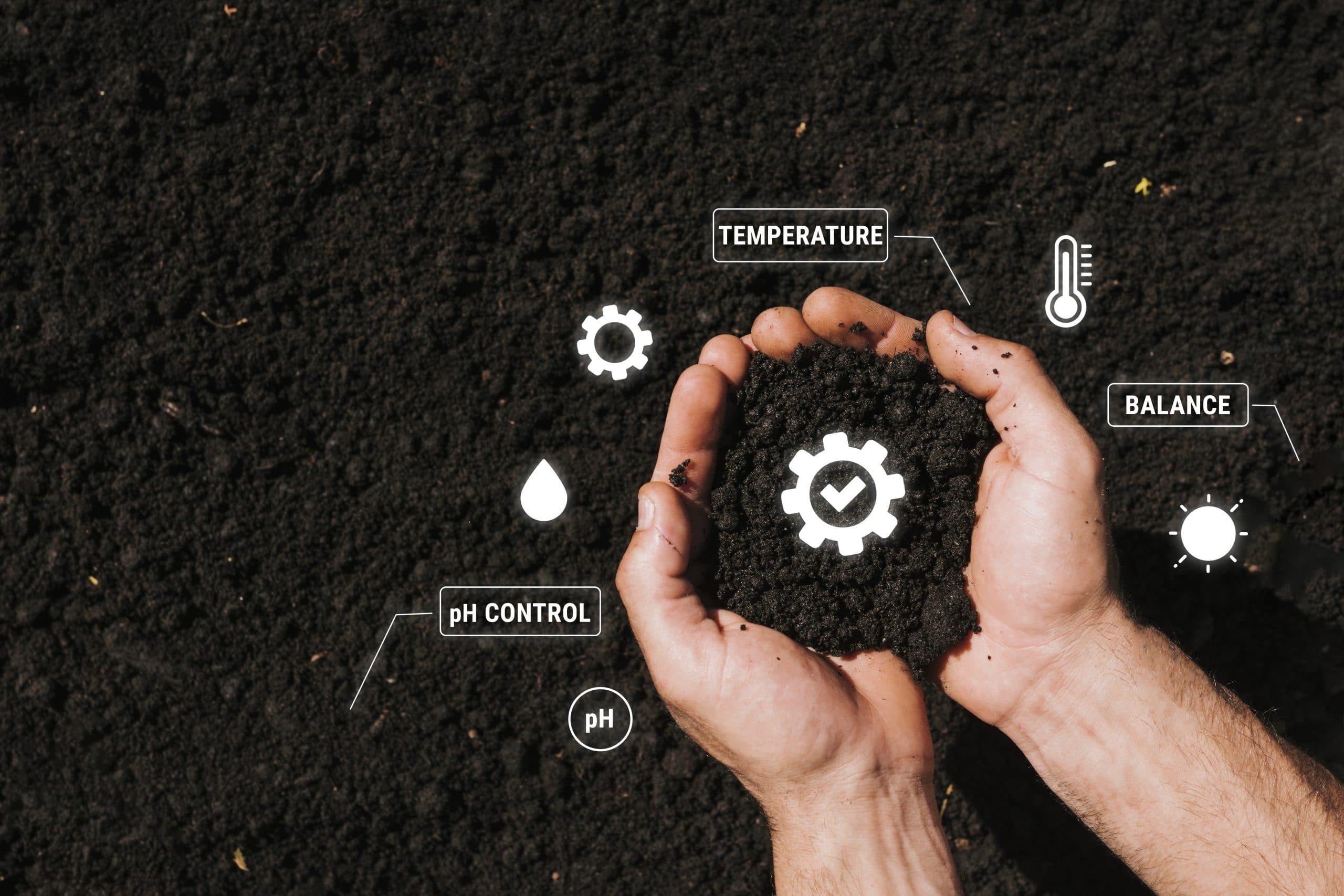
Soil fertility is the foundation of sustainable agriculture, food security, and ecosystem health. Among the many factors that influence soil productivity, organic matter plays a central and irreplaceable role. It acts as a biological engine that drives nutrient cycling, improves soil structure, enhances water retention, and supports diverse microbial communities.
Understanding the role of organic matter in long-term soil fertility is essential for farmers, agronomists, environmental scientists, and land managers seeking to maintain productive soils over decades rather than just a single growing season. This article explores how organic matter functions in soil systems, why it is critical for long-term fertility, and how it can be effectively managed for sustainable land use.
What Is Soil Organic Matter?
Soil organic matter (SOM) refers to the fraction of soil composed of decomposed plant and animal residues, living microorganisms, and stable organic compounds known as humus. Although it typically makes up only 2–6% of agricultural soils, its influence on soil fertility is disproportionately large.
Soil organic matter consists of three main components:
- Fresh organic residues such as crop residues, manure, and plant litter
- Active organic matter, including microbes and partially decomposed material
- Stable organic matter (humus), which persists in soil for decades or centuries
Each component contributes differently to soil health, but together they form the backbone of long-term soil fertility.
Why Organic Matter Is Essential for Long-Term Soil Fertility
Long-term soil fertility depends not only on nutrient availability but also on the soil’s physical, chemical, and biological properties. Organic matter influences all three dimensions simultaneously.
1. Improves Soil Structure and Aggregation
Organic matter acts as a binding agent that holds soil particles together, forming stable aggregates. Well-aggregated soils have better pore space, allowing for improved air exchange and root penetration.
Soils rich in organic matter are:
- Less prone to compaction
- More resistant to erosion by wind and water
- Easier to cultivate and manage
Over time, improved soil structure enhances root growth and increases the soil’s capacity to support crops consistently.
2. Enhances Water Holding Capacity
One of the most important long-term benefits of organic matter is its ability to retain water. Organic matter can hold up to 20 times its weight in water, making it particularly valuable in drought-prone regions.
Increased water retention leads to:
- Reduced irrigation requirements
- Improved drought resistance
- Better crop performance during dry periods
This function becomes increasingly critical under changing climate conditions, where rainfall patterns are unpredictable.
3. Acts as a Reservoir of Essential Nutrients
Soil organic matter serves as a slow-release reservoir for essential plant nutrients such as nitrogen, phosphorus, sulfur, and micronutrients. Through the process of mineralization, soil microorganisms convert organic nutrients into forms that plants can absorb.
Unlike synthetic fertilizers that release nutrients rapidly, organic matter:
- Provides a sustained nutrient supply
- Reduces nutrient leaching losses
- Improves nutrient use efficiency
This gradual release supports long-term fertility and minimizes environmental pollution.
Role of Organic Matter in Soil Biological Activity
Healthy soils are living systems. Organic matter fuels soil life by providing energy and carbon to microorganisms, earthworms, insects, and fungi.
Supports Microbial Diversity
Soil microorganisms play a crucial role in nutrient cycling, organic matter decomposition, and disease suppression. A steady supply of organic matter promotes a diverse and active microbial population.
These organisms:
- Break down complex organic compounds
- Release nutrients in plant-available forms
- Produce substances that stabilize soil structure
Without organic matter, microbial activity declines, leading to reduced soil fertility over time.
Encourages Beneficial Soil Fauna
Earthworms and other soil fauna thrive in organic-rich soils. Their burrowing activity improves aeration, enhances drainage, and mixes organic residues into deeper soil layers.
This biological mixing increases nutrient availability and contributes to long-term soil resilience.
Organic Matter and Chemical Properties of Soil
In addition to physical and biological benefits, organic matter significantly influences soil chemistry.
Improves Cation Exchange Capacity (CEC)
Organic matter has a high cation exchange capacity, meaning it can hold and exchange positively charged nutrients such as calcium, magnesium, potassium, and ammonium.
Higher CEC results in:
- Reduced nutrient leaching
- Improved nutrient retention
- More stable soil fertility levels
This buffering capacity is essential for maintaining productivity over long periods.
Buffers Soil pH
Soil organic matter helps moderate changes in soil pH by neutralizing acids and bases. This buffering effect creates a more stable chemical environment for plant roots and microorganisms.
Stable pH conditions improve nutrient availability and reduce the risk of toxic element accumulation.
Organic Matter and Long-Term Soil Sustainability
Soils with declining organic matter levels often exhibit reduced productivity, increased erosion, and higher dependency on chemical inputs. In contrast, maintaining or increasing organic matter is a cornerstone of sustainable soil management.
Long-term benefits include:
- Improved yield stability
- Lower fertilizer and irrigation costs
- Greater resilience to climate stress
These advantages compound over time, making organic matter management a long-term investment rather than a short-term fix.
Practices That Increase Soil Organic Matter
Building and maintaining organic matter requires consistent management practices. The following strategies are widely recognized for enhancing long-term soil fertility.
1. Crop Residue Management
Leaving crop residues on the field instead of removing or burning them returns carbon and nutrients to the soil. Residues protect the soil surface and gradually decompose into organic matter.
2. Cover Cropping
Cover crops such as legumes, grasses, and brassicas add biomass to the soil, prevent erosion, and improve soil structure. Leguminous cover crops also contribute biologically fixed nitrogen.
3. Application of Organic Amendments
Manure, compost, and green manure crops are effective sources of organic matter. When applied correctly, they enhance microbial activity and improve nutrient cycling.
4. Reduced Tillage
Conventional tillage accelerates organic matter decomposition by increasing soil aeration. Reduced tillage or no-till systems help preserve organic matter and protect soil structure.
Challenges in Maintaining Soil Organic Matter
Despite its importance, maintaining soil organic matter can be challenging due to factors such as intensive cropping, erosion, residue removal, and climate conditions.
High temperatures and excessive tillage accelerate decomposition, making it essential to adapt management practices to local conditions.
Conclusion: Organic Matter as the Foundation of Long-Term Soil Fertility
The role of organic matter in long-term soil fertility cannot be overstated. It influences soil structure, water retention, nutrient availability, biological activity, and chemical stability—all of which are essential for sustainable crop production.
By adopting practices that build and conserve soil organic matter, land managers can improve soil health, reduce dependency on external inputs, and ensure productive soils for future generations. In an era of increasing environmental and climatic challenges, organic matter remains the key to resilient and fertile soils.
Found this article helpful?
Explore more insights and tips on our blog