fertilizer
Importance of Trace Elements Fertilizer for Plants in Modern Agriculture

Mustashar Team
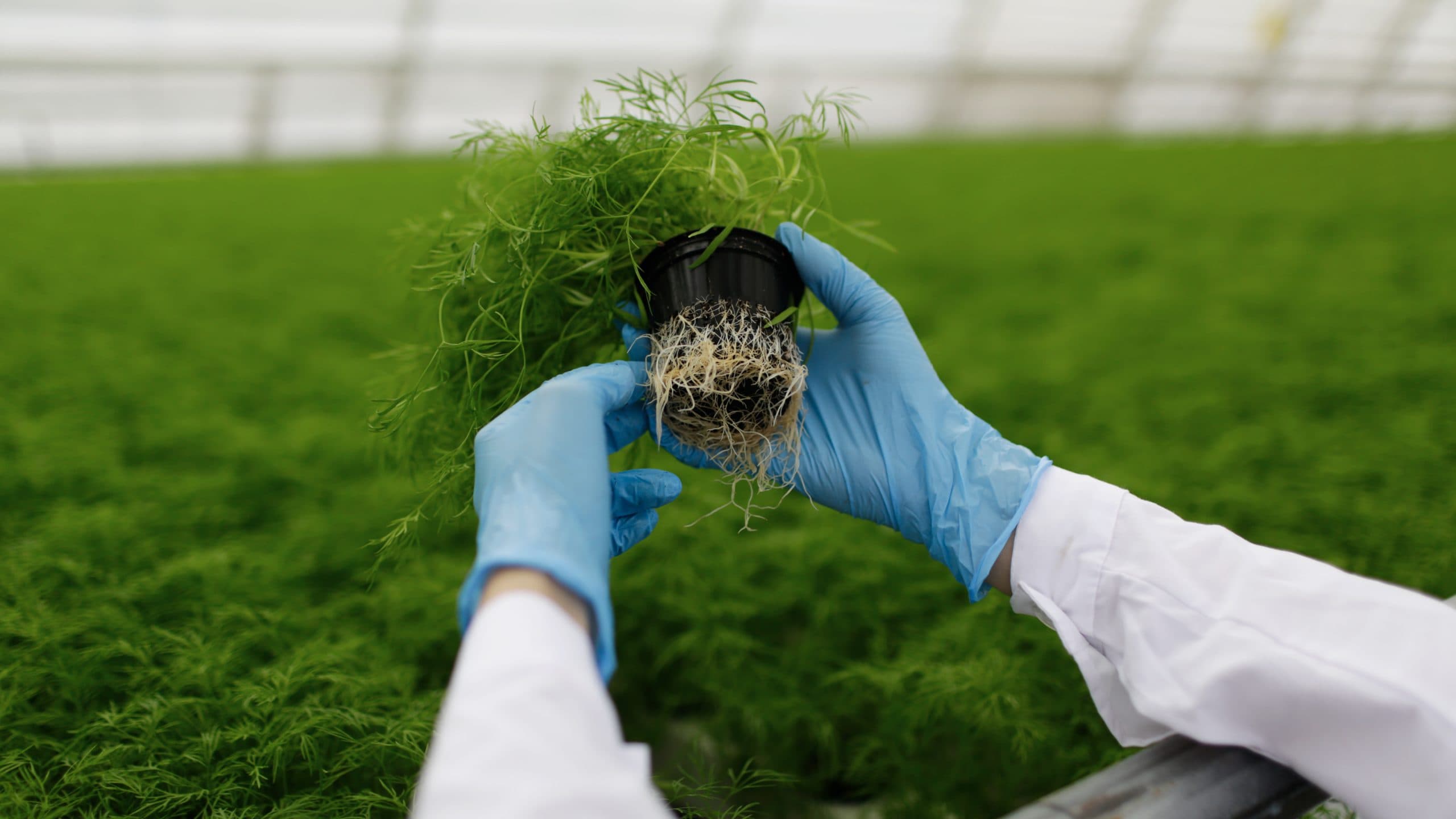
Trace elements, also known as micronutrients, play a critical role in plant growth, productivity, and overall crop health. While plants require these elements in very small quantities, their absence can severely limit yield, quality, and resistance to stress. With increasing pressure on agricultural systems to produce more from less land, understanding the importance of trace element fertilizers for plants has become essential for farmers, gardeners, and agricultural researchers alike.
This article explores the role of trace elements in plant nutrition, their functions, deficiency symptoms, and how proper micronutrient management can significantly improve plant performance.
What Are Trace Elements in Plant Nutrition?
Trace elements are essential mineral nutrients required by plants in minute amounts, compared to macronutrients such as nitrogen, phosphorus, and potassium. Despite their small requirement, these elements are vital for enzymatic reactions, hormone synthesis, and physiological processes.
The most important trace elements in plant nutrition include:
- Iron (Fe)
- Zinc (Zn)
- Manganese (Mn)
- Copper (Cu)
- Boron (B)
- Molybdenum (Mo)
- Chlorine (Cl)
- Nickel (Ni)
Each of these micronutrients performs a unique function, and a deficiency in any one of them can disrupt normal plant metabolism.
Why Trace Elements Fertilizer for Plants Is Essential
Modern agricultural practices, intensive cropping, and reliance on high-analysis fertilizers often lead to micronutrient depletion in soils. As a result, the use of trace element fertilizers for plants has become increasingly important for maintaining soil fertility and crop productivity.
Trace element fertilizers ensure that plants receive balanced nutrition, which leads to:
- Improved crop yield and quality
- Enhanced photosynthesis and respiration
- Better root development
- Increased resistance to diseases and environmental stress
- Efficient utilization of macronutrients
Functions of Major Trace Elements in Plants
Iron (Fe)
Iron is essential for chlorophyll synthesis and energy transfer within the plant. Although iron does not form part of the chlorophyll molecule, it is required for its formation.
Deficiency symptoms: Yellowing of young leaves (interveinal chlorosis).
Zinc (Zn)
Zinc plays a key role in enzyme activation, protein synthesis, and growth hormone production.
Deficiency symptoms: Shortened internodes, small leaves, and stunted growth.
Manganese (Mn)
Manganese is involved in photosynthesis, nitrogen metabolism, and enzyme activation.
Deficiency symptoms: Interveinal chlorosis with brown spots.
Copper (Cu)
Copper supports photosynthesis, lignin formation, and reproductive growth.
Deficiency symptoms: Wilting, dieback of shoots, and delayed flowering.
Boron (B)
Boron is critical for cell wall formation, pollen viability, and sugar transport.
Deficiency symptoms: Brittle tissues, hollow stems, and poor fruit development.
Molybdenum (Mo)
Molybdenum is necessary for nitrogen fixation and nitrate reduction.
Deficiency symptoms: Yellowing of leaves and poor nitrogen utilization.
Common Causes of Micronutrient Deficiency in Crops
Micronutrient deficiency in crops is often linked to soil and environmental factors rather than total nutrient absence. Common causes include:
- High soil pH reduces nutrient availability
- Low organic matter content
- Intensive cropping without micronutrient replenishment
- Excessive use of phosphorus fertilizers
- Poor root development or water stress
Even soils rich in total micronutrients may fail to supply adequate amounts to plants if conditions are unfavorable.
Trace Elements, Fertilizer Types, and Application Methods
Trace element fertilizers are available in several forms, each suited to different crops and soil conditions:
- Soil-applied micronutrient fertilizers
- Foliar sprays
- Seed treatment formulations
- Water-soluble micronutrient blends
- Chelated micronutrients
Chelated trace elements are particularly effective in high pH soils because they remain available to plants for longer periods.
Importance of Balanced Micronutrient Management
Applying trace element fertilizers for plants should always be based on soil testing and crop requirements. Excess application can lead to toxicity, nutrient antagonism, or environmental contamination.
Balanced micronutrient management ensures:
- Optimal plant growth
- Cost-effective fertilizer use
- Improved nutrient use efficiency
- Long-term soil health
Integrated nutrient management practices that combine organic matter, soil testing, and targeted fertilizer application are considered best practice in modern agriculture.
Trace Elements in Sustainable Agriculture and Gardening
For sustainable farming systems and home gardens alike, trace elements are crucial for maintaining healthy plants without excessive chemical inputs. Organic amendments such as compost and manure contribute micronutrients, but they may not always meet crop demand.
Using high-quality trace element fertilizers helps bridge this gap, particularly in:
- Greenhouse production
- High-value horticultural crops
- Intensive vegetable farming
- Fruit orchards
Table: Essential Trace Elements and Their Functions
| Trace Element | Main Function | Common Deficiency Symptom |
|---|---|---|
| Iron (Fe) | Chlorophyll synthesis | Yellow young leaves |
| Zinc (Zn) | Enzyme activation | Stunted growth |
| Manganese (Mn) | Photosynthesis | Brown spots |
| Boron (B) | Cell wall formation | Poor fruit set |
Conclusion: Why Trace Elements Fertilizer for Plants Matters
The importance of trace elements in plant nutrition cannot be overstated. Although required in small quantities, these nutrients are indispensable for plant growth, yield, and resilience. In both commercial agriculture and advanced gardening, the strategic use of trace element fertilizers for plants is a proven way to enhance productivity and sustainability.
By understanding micronutrient functions, identifying deficiency symptoms early, and applying the right fertilizer at the right time, growers can unlock the full genetic potential of their crops while preserving soil health for future generations.
Found this article helpful?
Explore more insights and tips on our blog