fertilizer
How to Improve Soil Health Naturally (Without Harmful Chemicals)

Mustashar Team
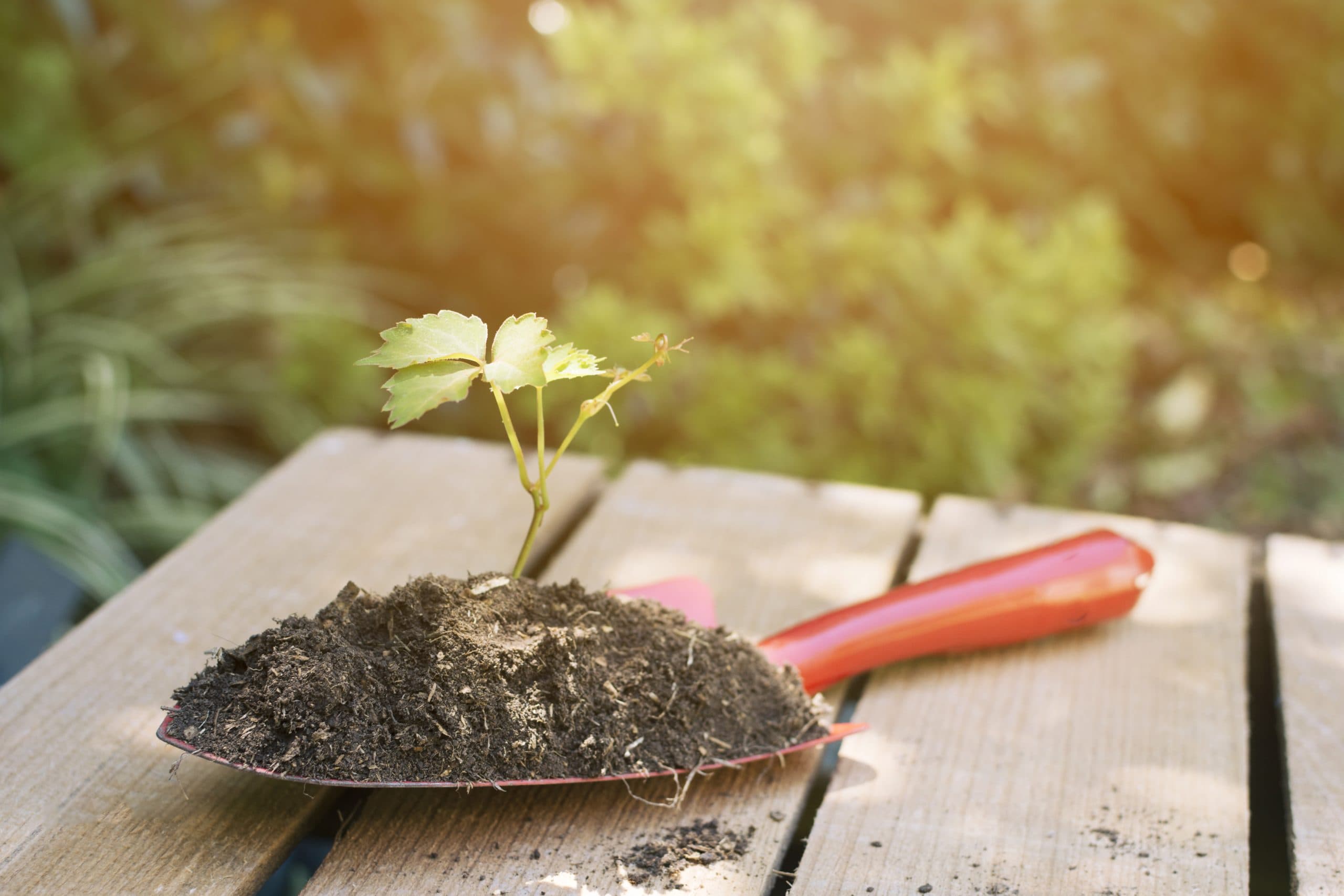
Healthy soil is the backbone of successful farming and gardening. Without fertile, living soil, crops struggle to absorb nutrients, water drains too quickly, and yields decline over time. While chemical fertilizers may offer quick results, they often damage soil structure and microbial life in the long run.
If you’re wondering how to improve soil health naturally without harmful chemicals, this guide is for you. Below, you’ll learn proven, sustainable methods to restore soil fertility, boost microbial activity, and grow stronger crops naturally.
Why Soil Health Matters More Than Ever
Soil is more than just dirt. Healthy soil is a living ecosystem made up of organic matter, microorganisms, minerals, water, and air. When soil health declines, plants become more dependent on external inputs like chemical fertilizers and pesticides.
Improving soil health naturally helps:
- Increase crop yields sustainably
- Improve water retention and drainage
- Reduce erosion and nutrient loss
- Support beneficial soil organisms
- Lower dependency on synthetic chemicals
In hot and arid climates, natural soil improvement is especially important to prevent soil degradation.
1. Add Organic Matter Regularly
The fastest and most effective way to improve soil health naturally is by increasing organic matter. Organic matter feeds soil microbes and improves soil structure.
Best Sources of Organic Matter
- Compost
- Well-rotted animal manure
- Plant residues and crop waste
- Mulch (straw, leaves, grass clippings)
Organic matter improves nutrient availability and helps sandy soils retain moisture while loosening compacted soils.
2. Use Compost to Restore Soil Life
Compost is often called “black gold” for a reason. It provides balanced nutrients while introducing beneficial microorganisms that naturally improve soil fertility.
Benefits of Compost
- Improves soil structure
- Enhances microbial diversity
- Releases nutrients slowly
- Reduces soil-borne diseases
Apply compost before planting or as a top dressing around crops for continuous soil improvement.
3. Practice Crop Rotation
Growing the same crop repeatedly in the same soil depletes specific nutrients and increases pest pressure. Crop rotation naturally balances nutrient use and improves soil health.
How Crop Rotation Helps Soil
- Prevents nutrient depletion
- Reduces disease buildup
- Improves soil structure
- Encourages beneficial microbes
Rotating leafy crops, root crops, legumes, and fruiting plants creates a healthier soil ecosystem.
4. Grow Cover Crops and Green Manure
Cover crops are plants grown specifically to protect and enrich soil. They are one of the most effective ways to improve soil health without chemicals.
Common Cover Crops
- Legumes (add nitrogen naturally)
- Alfalfa
- Mustard
- Rye or oats
When these crops are turned into the soil, they act as green manure, increasing organic matter and nutrient content.
5. Reduce Soil Disturbance
Excessive tilling breaks down soil structure and harms beneficial organisms. Adopting low-till or no-till practices allows soil life to thrive.
Benefits of Reduced Tillage
- Protects soil microorganisms
- Prevents erosion
- Improves water infiltration
- Maintains soil aggregates
Less disturbance leads to healthier, more resilient soil over time.
6. Mulching: A Simple but Powerful Technique
Mulching involves covering the soil surface with organic materials. This method mimics nature and significantly improves soil conditions.
Why Mulching Works
- Prevents moisture loss
- Reduces soil temperature fluctuations
- Suppresses weeds naturally
- Adds organic matter as it decomposes
Organic mulch is especially useful in hot climates to protect soil from extreme heat.
7. Encourage Beneficial Soil Microorganisms
Healthy soil depends on bacteria, fungi, earthworms, and other organisms. These microbes convert organic matter into plant-available nutrients.
How to Support Soil Life
- Avoid chemical pesticides
- Add compost and compost tea
- Maintain soil moisture
- Use organic fertilizers
A biologically active soil naturally resists disease and improves nutrient cycling.
8. Balance Soil pH Naturally
Soil pH affects how well plants absorb nutrients. Most crops prefer slightly acidic to neutral soil.
Natural Ways to Adjust pH
- Use agricultural lime to raise pH
- Add organic compost to stabilize pH
- Apply sulfur for alkaline soils (carefully)
Always test soil before adjusting pH to avoid overcorrection.
9. Improve Drainage and Aeration
Poor drainage suffocates roots and reduces microbial activity. Improving soil structure naturally enhances aeration.
Effective methods include:
- Adding organic matter
- Avoiding soil compaction
- Using raised beds where needed
Well-aerated soil supports deeper root growth and healthier plants.
Common Mistakes to Avoid
- Overusing chemical fertilizers
- Ignoring soil testing
- Over-tilling soil
- Expecting instant results
Natural soil improvement is a gradual process, but the long-term benefits far outweigh quick fixes.
Final Thoughts: Build Soil for the Future
Learning how to improve soil health naturally is one of the most valuable investments a farmer or gardener can make. Healthy soil leads to healthier plants, better yields, and a more sustainable growing system.
By focusing on organic matter, soil biology, and natural management practices, you can restore soil fertility without relying on harmful chemicals.
Healthy soil today ensures productive harvests for years to come.
Found this article helpful?
Explore more insights and tips on our blog