fertilizer
How Farmers Can Reduce Chemical Dependency Naturally

Mustashar Team
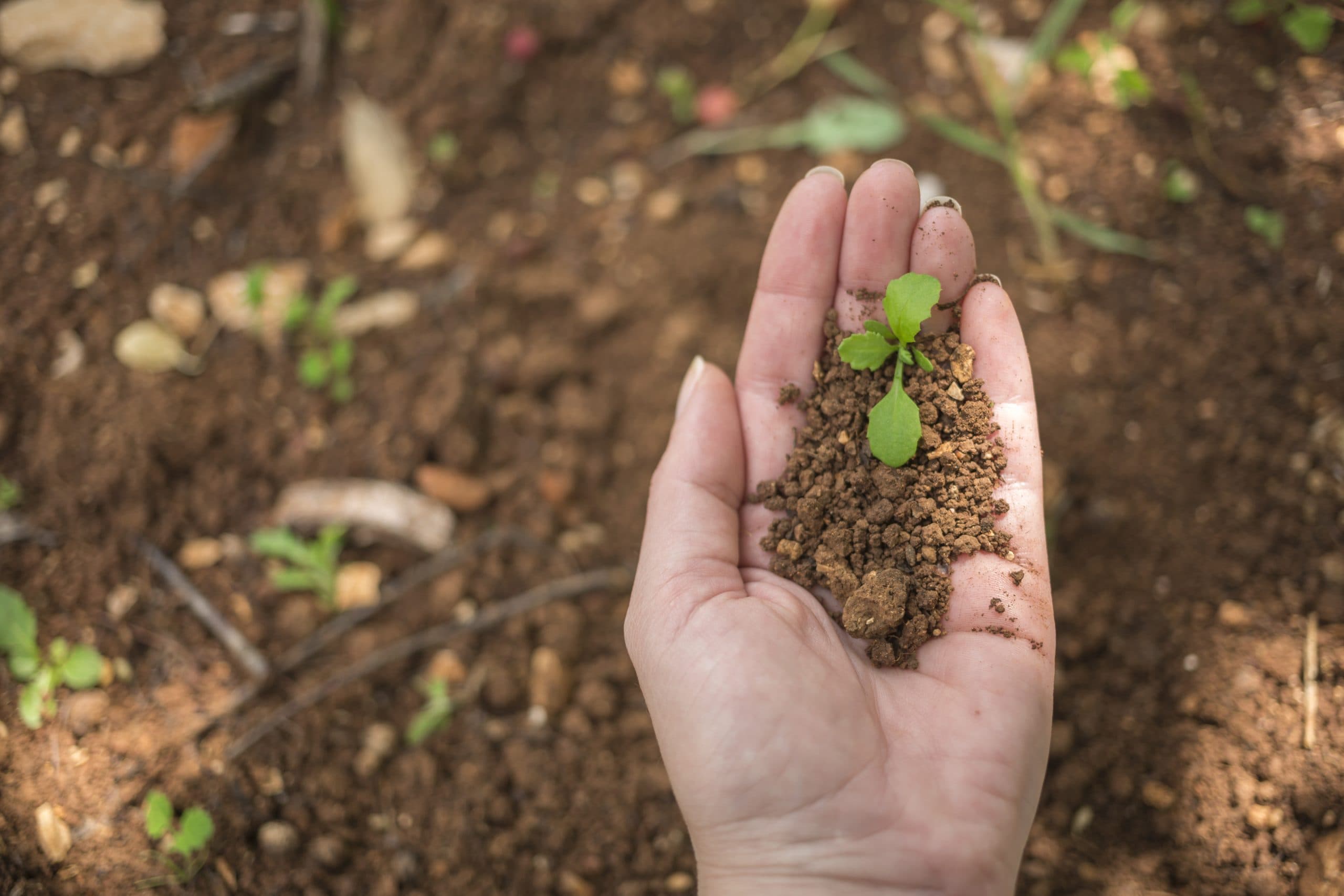
Modern agriculture has made incredible advances, but heavy reliance on chemical fertilizers, pesticides, and herbicides has created long-term challenges for farmers. Rising input costs, declining soil fertility, pest resistance, and environmental damage are forcing farmers to rethink how they grow food.
The good news? Farmers can reduce chemical dependency naturally without sacrificing yields or profitability. By working with nature instead of against it, it is possible to build resilient farms that are productive, sustainable, and cost-effective.
This guide explores proven, natural farming practices that help reduce chemical use while improving soil health, crop performance, and long-term farm viability.
Why Reducing Chemical Dependency Is Important
Overuse of synthetic chemicals may provide short-term benefits, but the long-term impacts are difficult to ignore.
Key Problems Caused by Excessive Chemical Use
- Decline in soil organic matter and microbial life
- Pest and weed resistance to pesticides and herbicides
- Water pollution from chemical runoff
- Higher production costs year after year
- Reduced biodiversity on farms
Natural farming methods focus on restoring biological balance, reducing dependency on external inputs, and improving farm resilience over time.
1. Improve Soil Health as the Foundation
Healthy soil is the cornerstone of reducing chemical dependency. When soil biology is thriving, crops naturally become more resistant to pests, diseases, and nutrient deficiencies.
Build Organic Matter in the Soil
Soils rich in organic matter retain nutrients and moisture more efficiently, reducing the need for synthetic fertilizers.
- Apply compost and farmyard manure regularly
- Incorporate crop residues back into the soil
- Use green manure crops like sun hemp or clover
Encourage Beneficial Microorganisms
Microbes help plants access nutrients naturally. Practices that support soil life include:
- Reducing deep tillage
- Avoiding unnecessary chemical applications
- Using microbial inoculants such as mycorrhizae
2. Use Crop Rotation to Break Pest Cycles
Continuous monocropping encourages pests, diseases, and nutrient depletion. Crop rotation disrupts pest life cycles and improves soil fertility naturally.
Benefits of Crop Rotation
- Reduces soil-borne diseases
- Prevents buildup of crop-specific pests
- Balances nutrient usage in soil
- Improves overall farm productivity
Rotating cereals with legumes, oilseeds, or cover crops significantly reduces the need for chemical fertilizers and pesticides.
3. Adopt Integrated Pest Management (IPM)
Integrated Pest Management (IPM) is a natural, science-based approach that minimizes pesticide use while maintaining crop health.
Core Principles of IPM
- Monitor pest populations regularly
- Set economic threshold levels
- Use biological and mechanical controls first
- Apply chemicals only as a last resort
Natural Pest Control Methods
Farmers can control pests naturally by:
- Introducing beneficial insects like ladybugs and lacewings
- Using pheromone traps and sticky traps
- Applying botanical extracts such as neem oil
IPM reduces costs and prevents pest resistance over time.
4. Grow Cover Crops to Protect and Nourish Soil
Cover crops are one of the most effective tools for reducing chemical dependency naturally.
How Cover Crops Help Farmers
- Suppress weeds naturally
- Improve soil structure
- Prevent soil erosion
- Fix atmospheric nitrogen
Leguminous cover crops such as peas and vetch reduce nitrogen fertilizer requirements, while grasses help manage weeds and soil compaction.
5. Use Natural Fertilizers and Bio-Inputs
Replacing synthetic fertilizers with natural alternatives improves soil fertility while reducing input costs.
Popular Natural Fertilizer Options
- Compost and vermicompost
- Bone meal and rock phosphate
- Liquid bio-fertilizers
- Compost teas
These inputs release nutrients slowly, improving nutrient uptake efficiency and reducing leaching.
6. Encourage Biodiversity on the Farm
Biodiversity creates natural checks and balances that reduce chemical dependency.
Ways to Increase Farm Biodiversity
- Plant hedgerows and flowering strips
- Maintain native vegetation around fields
- Integrate livestock with cropping systems
Diverse ecosystems support beneficial insects, birds, and microorganisms that naturally control pests.
7. Practice Mechanical and Cultural Weed Control
Weeds can be managed effectively without heavy herbicide use.
Non-Chemical Weed Control Methods
- Mulching with crop residues or organic materials
- Timely manual or mechanical weeding
- Using stale seedbed techniques
- Adjusting planting density and timing
These methods reduce herbicide resistance while improving soil health.
8. Improve Water and Nutrient Management
Efficient water management reduces nutrient loss and improves fertilizer efficiency.
Smart Water Practices
- Drip or micro-irrigation systems
- Rainwater harvesting
- Scheduling irrigation based on crop needs
Better water management means fewer nutrient deficiencies and reduced chemical interventions.
9. Transition Gradually for Long-Term Success
Reducing chemical dependency does not require an immediate shift to fully organic farming. A gradual transition allows farmers to test natural methods while maintaining productivity.
Tips for a Smooth Transition
- Start with one field or crop
- Monitor soil and crop performance
- Combine natural and reduced chemical inputs initially
- Learn from local success stories
Over time, reliance on chemicals naturally decreases as soil and ecosystem health improve.
Final Thoughts: Farming With Nature, Not Against It
Reducing chemical dependency naturally is not just an environmental choice; it is an economic and agronomic advantage. Healthier soils, balanced ecosystems, and resilient crops lead to lower input costs and sustainable yields.
By focusing on soil health, biodiversity, and natural pest control, farmers can build systems that thrive for generations. The shift may take time, but the long-term rewards are well worth the effort.
Farming with nature is no longer an alternative approach; it is the future of sustainable agriculture.
Found this article helpful?
Explore more insights and tips on our blog