fertilizer
How to Read Fertilizer Labels Like a Pro: A Complete Guide for Farmers & Gardeners

Mustashar Team
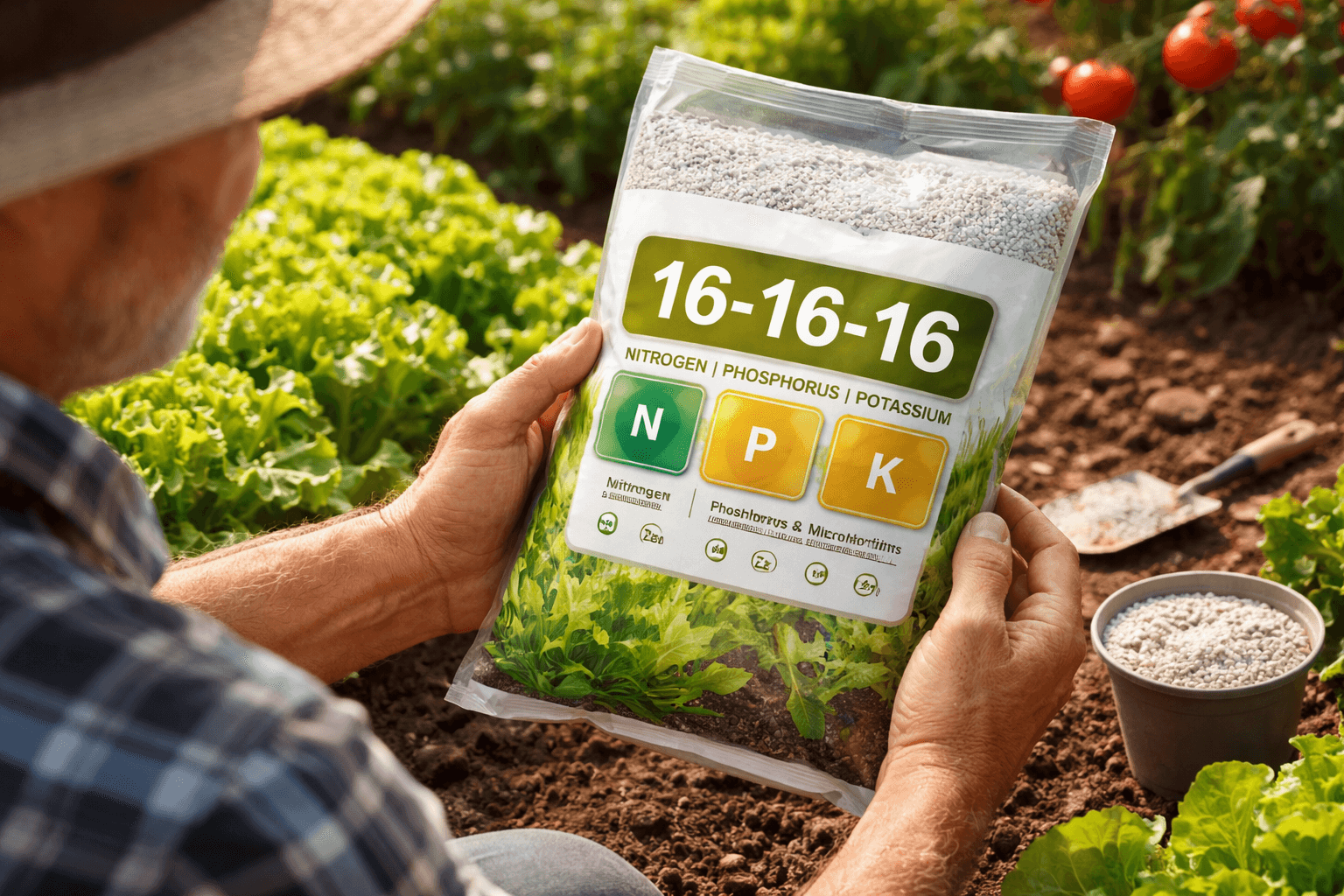
Choosing the right fertilizer can make the difference between healthy, high-yield crops and disappointing results. Yet many farmers and gardeners struggle with one critical step: understanding fertilizer labels.
If you’ve ever looked at a fertilizer bag and felt confused by numbers like 20-20-20 or terms such as micronutrients, slow release, or chelated minerals, you’re not alone. In this guide, you’ll learn how to read fertilizer labels like a pro, so you can make confident, informed decisions for your crops and soil.
This article breaks everything down in simple language, no guesswork, no jargon.
Why Understanding Fertilizer Labels Is So Important
Fertilizer labels are not just marketing; they are legally required information that tells you exactly what nutrients you’re applying to your soil. Misreading them can lead to:
- Over-fertilization that damages crops
- Nutrient deficiencies that limit plant growth
- Wasted money on unsuitable products
- Long-term soil health problems
When you understand fertilizer labels, you can:
- Match nutrients to specific crops
- Improve yield and plant health
- Apply fertilizers safely and efficiently
- Choose the best products for UAE soil conditions
The NPK Ratio: The Most Important Part of a Fertilizer Label
The first thing you’ll notice on any fertilizer label is a set of three numbers, such as 10-10-10 or 15-5-30. This is known as the NPK ratio.
What Do NPK Numbers Mean?
- N (Nitrogen) – Supports leaf growth and green color
- P (Phosphorus) – Encourages root development and flowering
- K (Potassium) – Improves overall plant health, fruit quality, and stress resistance
For example, a fertilizer labeled 20-20-20 contains:
- 20% Nitrogen
- 20% Phosphorus
- 20% Potassium
The remaining percentage consists of fillers and other beneficial ingredients.
Choosing the Right NPK Ratio for Your Crops
Different crops have different nutrient needs. Reading the fertilizer label allows you to choose the right balance.
- Leafy vegetables (lettuce, spinach): Higher nitrogen
- Root crops (carrots, potatoes): Higher phosphorus
- Fruit-bearing plants (tomatoes, cucumbers): Higher potassium
Using the wrong NPK ratio may result in lush leaves but poor fruiting or strong roots but weak growth.
Understanding Secondary Nutrients on Fertilizer Labels
Beyond NPK, professional fertilizer labels list secondary nutrients that are essential for plant health.
Common Secondary Nutrients
- Calcium (Ca) – Strengthens cell walls and prevents blossom end rot
- Magnesium (Mg) – Essential for photosynthesis
- Sulfur (S) – Supports protein formation
In UAE soils, calcium and magnesium deficiencies are common, making this section of the label especially important.
Micronutrients: Small Amounts, Big Impact
Micronutrients are required in smaller quantities, but they play a critical role in plant development.
Common Micronutrients You’ll See on Labels
- Iron (Fe)
- Zinc (Zn)
- Manganese (Mn)
- Boron (B)
- Copper (Cu)
Look for words like “chelated iron”—this means the nutrient is easier for plants to absorb, especially in alkaline soils common in the region.
Organic vs Chemical Fertilizers: How Labels Differ
Fertilizer labels also tell you whether a product is organic or synthetic.
Organic Fertilizer Labels
- Nutrients are released slowly
- Improve soil structure
- Lower nutrient percentages
Chemical Fertilizer Labels
- Fast nutrient availability
- Higher NPK values
- Precise nutrient control
Understanding this distinction helps you choose the right product for long-term soil health versus quick results.
Slow-Release vs Water-Soluble Fertilizers
Most professional fertilizer labels specify how nutrients are released.
- Slow-release fertilizers feed plants over weeks or months
- Water-soluble fertilizers act quickly and are ideal for rapid correction
For high temperatures and sandy soils, slow-release fertilizers help reduce nutrient loss.
Application Instructions: Don’t Skip This Section
Every fertilizer label includes application rates and methods. Ignoring this section can damage crops.
Look for:
- Recommended dosage per plant or per area
- Application frequency
- Safety precautions
More fertilizer does not mean better results. Precision is key.
How to Match Fertilizer Labels with Soil Test Results
The best way to use fertilizer labels like a professional is to combine them with soil testing.
If your soil test shows low potassium, choose a fertilizer with a higher K value. If nitrogen is already high, avoid nitrogen-heavy products.
This approach saves money and protects soil health.
Common Mistakes People Make When Reading Fertilizer Labels
- Choosing fertilizer based on brand instead of nutrients
- Ignoring micronutrients
- Over-applying high-N fertilizers
- Not considering soil type and climate
A professional approach always starts with the label, not the marketing.
Final Thoughts: Become a Smarter Fertilizer Buyer
Learning how to read fertilizer labels empowers you to make smarter decisions for your crops, garden, and soil. With the right knowledge, you can improve yields, reduce waste, and maintain long-term soil fertility.
Whether you’re managing a farm or maintaining a home garden, understanding fertilizer labels is one of the most valuable skills you can develop.
Found this article helpful?
Explore more insights and tips on our blog