fertilizer
Best Practices to Improve Soil Water Retention in Sandy Soils

Mustashar Team
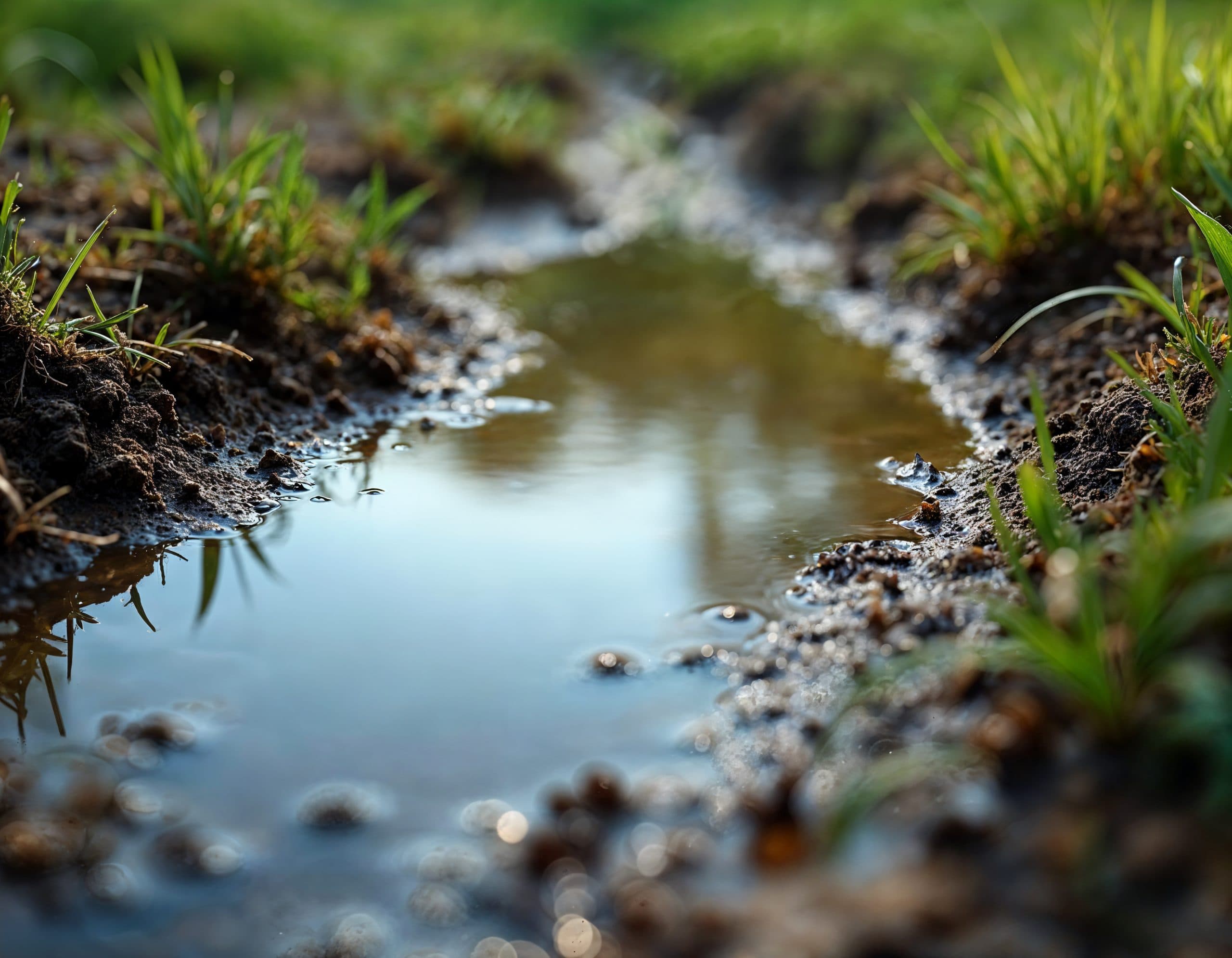
Sandy soils are common in many agricultural regions, especially in arid and semi-arid climates. While sandy soil offers good drainage and aeration, it struggles with one major challenge: poor water retention. Water drains too quickly, nutrients leach away, and crops experience frequent moisture stress.
If you’re searching for the best practices to improve soil water retention in sandy soils, this comprehensive guide will walk you through proven, practical, and sustainable methods to retain moisture, improve soil structure, and boost crop productivity.
Why Sandy Soils Lose Water So Quickly
Understanding the nature of sandy soil is the first step toward improving it. Sandy soils are made up of large particles with wide pore spaces, which allow water to drain rapidly.
Key characteristics of sandy soil include:
- Large particle size
- Low organic matter
- Poor nutrient-holding capacity
- Fast drainage and evaporation
Without proper management, sandy soils require frequent irrigation and fertilizer application, increasing costs and reducing efficiency.
Water Retention Practices Comparison Table
| Water Retention Practice: How | w It Works | Effectiveness in Sandy Soils | Additional Benefits |
|---|---|---|---|
| Adding Organic Matter (Compost/Manure) | Improves soil structure and increases moisture-holding capacity | Very High | Boosts nutrients and microbial activity |
| Mulching | Reduces evaporation and soil temperature | High | Suppresses weeds and adds organic matter over time |
| Cover Crops / Green Manure | Improves soil aggregation and root channels | High | Fixes nitrogen and prevents erosion |
| Biochar Application | Stores water in micro-pores and improves nutrient retention | Medium to High | Long-term soil carbon storage |
| Reduced Tillage | Preserves soil structure and microbial life | Medium | Reduces erosion and improves soil health |
| Clay or Soil Conditioners | Fills large pore spaces and slows water movement | Medium | Improves nutrient retention |
| Drip Irrigation | Delivers water slowly and directly to roots | Very High | Reduces water waste and improves efficiency |
| Windbreaks & Shade Crops | Reduces evaporation caused by wind and heat | Medium | Protects crops and the soil surface |
1. Increase Organic Matter Content
The most effective way to improve water retention in sandy soils is by increasing organic matter. Organic materials act like a sponge, holding moisture and releasing it slowly to plant roots.
Best Organic Matter Sources
- Compost
- Well-rotted animal manure
- Crop residues
- Green manure and cover crops
Regular organic matter additions improve soil aggregation, moisture retention, and nutrient availability.
2. Apply Compost Regularly
Compost is one of the best soil amendments for sandy soils. It improves both water retention and soil fertility.
Benefits of Compost in Sandy Soils
- Increases moisture-holding capacity
- Reduces nutrient leaching
- Encourages beneficial microbial activity
- Improves root development
Apply compost as a soil mix before planting or as a surface layer around growing crops.
3. Use Mulching to Reduce Water Loss
Mulching is a simple but highly effective technique to reduce evaporation from sandy soils.
Best Mulch Materials
- Straw or hay
- Dry leaves
- Wood chips or bark
- Grass clippings
Organic mulch protects soil from heat, reduces evaporation, and slowly adds organic matter as it decomposes.
4. Grow Cover Crops and Green Manure
Cover crops help sandy soils retain moisture by improving soil structure and increasing organic matter.
Recommended Cover Crops
- Legumes (fix nitrogen and improve soil)
- Millet and sorghum
- Alfalfa
- Oats or rye
When incorporated into the soil, these crops act as green manure, enhancing water retention naturally.
5. Reduce Tillage and Soil Disturbance
Frequent tillage breaks soil aggregates and accelerates moisture loss.
Benefits of Reduced Tillage
- Preserves soil structure
- Improves water infiltration
- Reduces evaporation
- Supports soil microorganisms
Low-till or no-till practices help sandy soils retain moisture more effectively.
6. Improve Soil with Biochar
Biochar is a carbon-rich material that improves water-holding capacity and nutrient retention in sandy soils.
Why Biochar Works
- Holds water in micro-pores
- Reduces nutrient leaching
- Enhances microbial habitat
Biochar works best when mixed with compost before application.
7. Optimize Irrigation Practices
Efficient irrigation is essential for sandy soils, which lose water rapidly.
Best Irrigation Techniques
- Drip irrigation for slow, deep watering
- Frequent but smaller irrigation cycles
- Early morning or evening watering
Smart irrigation reduces water waste and improves moisture availability to roots.
8. Improve Soil Structure with Clay or Soil Amendments
In some cases, adding small amounts of clay-rich soil or natural soil conditioners can help sandy soils retain moisture.
These amendments fill pore spaces and slow water movement, improving moisture retention.
9. Use Proper Fertilizer Management
Water retention and nutrient management go hand in hand in sandy soils.
Best Fertilizer Practices
- Use slow-release fertilizers
- Split fertilizer applications
- Combine fertilizers with organic matter
This reduces nutrient leaching and improves water-use efficiency.
10. Protect Soil from Heat and Wind
High temperatures and strong winds increase evaporation in sandy soils.
Protective Measures
- Mulching
- Windbreaks and shelterbelts
- Shade crops or cover plants
Reducing environmental stress helps retain soil moisture longer.
Common Mistakes to Avoid
- Over-irrigating sandy soils
- Ignoring organic matter additions
- Frequent deep tillage
- Using fast-release fertilizers only
Avoiding these mistakes improves water retention and crop health.
Final Thoughts: Turn Sandy Soil into Productive Soil
While sandy soils naturally struggle with water retention, they can be transformed into productive, moisture-efficient soils with the right management practices.
By focusing on organic matter, mulching, smart irrigation, and soil structure improvement, farmers can significantly enhance soil water retention in sandy soils.
Healthy soil that holds water well leads to healthier crops, better yields, and long-term sustainability.
Found this article helpful?
Explore more insights and tips on our blog