fertilizer
Advanced Soil Testing Methods for Precision Farming

Mustashar Team
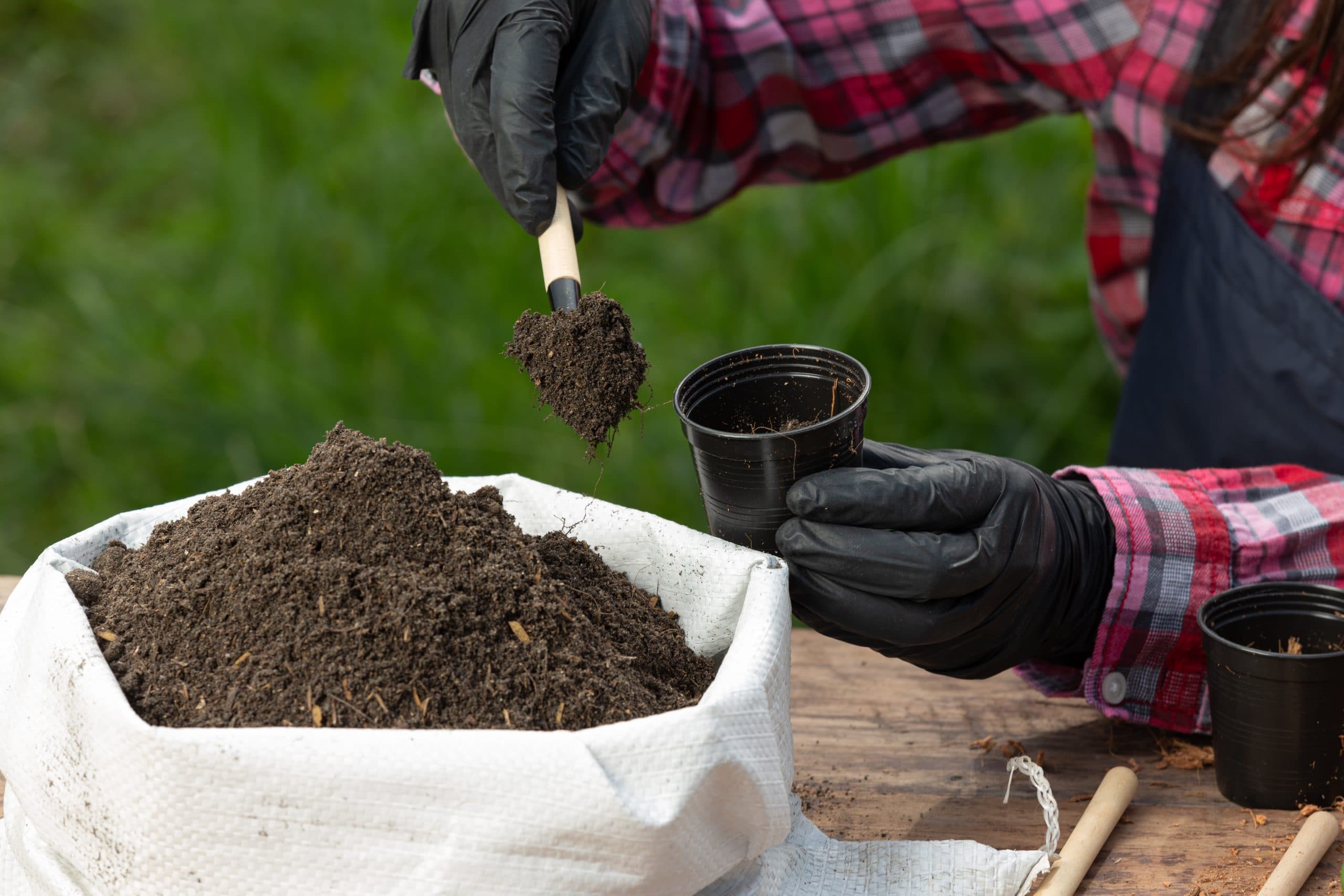
Precision farming is transforming how we grow crops, maximize yields, and manage resources sustainably. At the heart of this transformation are advanced soil testing methods for precision farming, powerful tools that deliver real-time, site-specific data on soil health. Whether you are a grower, agronomist, or agricultural consultant, understanding these cutting-edge technologies is essential for making smarter decisions and increasing farm ROI.
Why Soil Testing Matters in Precision Agriculture
Healthy soil is the foundation of productive agriculture. Traditional soil testing has helped farmers analyze nutrient levels and pH, but it often fails to capture spatial variability across fields. Precision agriculture requires data that is accurate, dynamic, and geospatially referenced. Advanced soil testing methods fill this need by providing high-resolution insights that guide variable rate application, irrigation management, and crop planning.
For example, instead of applying the same fertilizer rate across an entire field, precision soil insights allow farmers to adjust inputs according to the specific nutrient needs of micro-zones within a field. This boosts efficiency, lowers costs, and reduces environmental impact.
Types of Advanced Soil Testing Methods
Modern soil testing encompasses a range of technologies from laboratory analysis to automated sensors. Below, we explore each method and its contribution to precision farming.
1. Traditional Laboratory Soil Testing
Although not new, traditional lab soil testing remains important when enhanced with precision technology. It provides a detailed analysis of soil nutrient levels (N, P, K), pH, organic matter, and trace elements. When coupled with GPS-referenced sampling, lab results can be mapped to create nutrient distribution models across fields.
- Pros: Accurate baseline data, comprehensive nutrient profiles.
- Cons: Time-consuming sampling, limited temporal resolution.
2. Digital Soil Mapping (DSM)
Digital Soil Mapping integrates soil test results with geospatial data to produce detailed soil property maps. Using GIS (Geographic Information Systems), DSM applies statistical and machine learning models to predict soil characteristics across unsampled areas.
DSM is a game-changer in precision agriculture because it allows farmers to visualize soil variability and create prescription maps for fertilizer and lime application. Common inputs for DSM models include:
- Satellite imagery
- Topographic data
- Soil survey points
- Climate data
This high-resolution mapping supports data-driven decisions that improve yield and resource efficiency.
3. On-Site Soil Sensors
Soil sensors are transforming field analytics by providing near real-time data on moisture, temperature, salinity, and nutrient availability. These sensors are placed directly in the field and can transmit data wirelessly to farm management systems.
Examples of soil sensors used in precision farming include:
- Capacitive moisture sensors
- Nitrate sensors
- pH probes
- Electrical conductivity (EC) sensors
With advanced soil sensor technology, farmers can monitor conditions continuously, anticipate stress factors like drought, and tailor irrigation schedules more precisely.
4. Remote Sensing and Spectroscopy
Remote sensing leverages drones, airplanes, or satellites to capture data on soil and crop conditions. Hyperspectral and multispectral imaging sensors measure reflected light across various wavelengths, revealing soil composition, organic matter content, and moisture levels.
Spectroscopy tools allow farmers to assess soil attributes without physical sampling. When combined with machine learning, this data yields actionable insights such as nutrient deficiencies and compaction zones.
5. Soil DNA and Microbial Analysis
Advanced soil testing increasingly includes biological profiling. Next-generation sequencing and DNA analysis reveal the diversity and function of microbial communities that influence soil fertility and plant health. Soil microbiome data helps farmers:
- Enhance nutrient cycling
- Improve disease suppression
- Optimize organic amendment applications
Understanding microbial dynamics can lead to more resilient cropping systems and higher long-term productivity.
Benefits of Advanced Soil Testing in Precision Farming
Adopting advanced soil testing methods delivers a range of agronomic and economic benefits:
Improved Nutrient Management
Data-driven nutrient decisions reduce fertilizer overuse and prevent nutrient runoff. By applying the right amount of nutrients where they are needed, farmers can increase efficiency and lower input costs.
Enhanced Water Use Efficiency
Soil moisture sensors and mapping tools help schedule irrigation based on real-time needs rather than fixed schedules. This reduces water waste and mitigates drought stress.
Higher Crop Yields
Field variability can mask yield-limiting factors. Advanced soil testing identifies constraints early, allowing targeted interventions that boost overall crop performance.
Environmental Sustainability
Precision nutrient and water management support environmental stewardship by reducing leaching, emissions, and runoff that contribute to pollution and eutrophication.
Case Studies: Real-World Applications
Below are practical examples of advanced soil testing driving measurable results in precision farming.
Case Study: Variable Rate Fertilizer Application
A Midwest corn farm implemented digital soil mapping to identify nutrient variability across fields. Using soil test results and satellite data, agronomists created a variable rate fertilizer prescription. Over one season, the farm reduced fertilizer use by 18% while increasing yield by 7%, cutting costs, and improving net profit.
Case Study: Soil Sensor-Driven Irrigation
In a California vineyard, growers installed soil moisture sensors at multiple depths. Real-time data allowed the irrigation system to apply water only where needed. Over two seasons, water use declined by 23%, and grape quality improved due to reduced water stress during flowering and fruit set.
Integrating Soil Data with Farm Management Software
Modern precision farming systems integrate soil testing data with farm management platforms. This integration supports decision-making workflows such as:
- Generating variable rate application files
- Tracking soil health over time
- Simulating crop performance under different scenarios
Popular precision agriculture platforms synchronize field sensor data, drone imagery, and lab results into a centralized dashboard, making it easier for growers to interpret complex datasets and act on insights.
Challenges and Limitations
While advanced soil testing methods offer tremendous benefits, there are challenges to consider:
- Cost – High-resolution sensors and mapping tools can require significant investment.
- Data Complexity – Interpreting large datasets requires analytical expertise.
- Infrastructure Needs – Reliable connectivity is essential for real-time data transmission.
Despite these challenges, many farms find that the returns outweigh the initial hurdles when soil data is applied strategically.
Future Trends in Soil Testing for Precision Farming
The future of soil testing is rich with innovation. Key trends to watch include:
- AI-assisted soil interpretation – Artificial intelligence models will provide deeper insights from complex data.
- Autonomous soil sampling robots – Robots may collect field samples more efficiently and consistently.
- Low-cost sensor networks – More affordable sensors will democratize soil data for smallholder farms.
- Integration with climate prediction models – Soil and weather data will combine to generate predictive agronomy insights.
These advancements will make precision farming more accessible, intelligent, and impactful for global food systems.
How to Choose the Right Soil Testing Method for Your Farm
Selecting the most effective soil testing approach depends on your goals, budget, and operation size. Here’s a quick decision guide:
- Small Farms – Start with targeted lab sampling and basic sensors for moisture and pH.
- Mid-Size Operations – Add digital soil mapping and multi-depth moisture sensing.
- Large Commercial Farms – Invest in remote sensing, real-time sensor networks, and AI-driven analytics.
Consulting with a precision agronomy expert can help tailor a soil testing strategy that aligns with your unique needs.
Summary: The Role of Advanced Soil Testing Methods in Precision Farming
In summary, advanced soil testing methods for precision farming unlock the power of data to optimize soil health, input use, and crop performance. From digital soil mapping to real-time sensors and microbial analysis, these technologies are reshaping how farmers understand and manage the soil beneath their feet.
As precision agriculture continues to evolve, soil testing will remain a cornerstone of sustainable, profitable, and environmentally responsible farming. By leveraging advanced soil insights, growers can make informed decisions that lead to healthier soils, higher yields, and stronger economic performance.
Further Reading & Resources
Found this article helpful?
Explore more insights and tips on our blog